
"season horse"
200 article(s) found

Ethiopian Coffee introduces Ethiopian Harald mocha coffee beans
Ethiopia Harald mocha beans (Ethiopian Harar mocha) roast taste and photo photo light roasted Harald coffee beans, brewed in a siphon coffee pot, really have a hint of citrus aroma! This Harald harar raw coffee bean looks like grade 5, irregular, long beans (longer flat beans), short flat beans, round beans, boiled beans

Colombia Coffee Flavor Taste Introduction Colombia Coffee Features Fine Coffee Beans
Nalinglong Province is closer to the equator, about one degree north latitude, with sufficient light throughout the year; the altitude is more than 1600 meters, and the snow-covered peaks in the territory are not uncommon. The steep mountains and narrow and steep slopes bring warm and diverse climates. The warm and humid airflow rising from the canyon makes coffee planted at high altitudes free from frost, so that coffee can be planted smoothly at a height of 2300 meters.
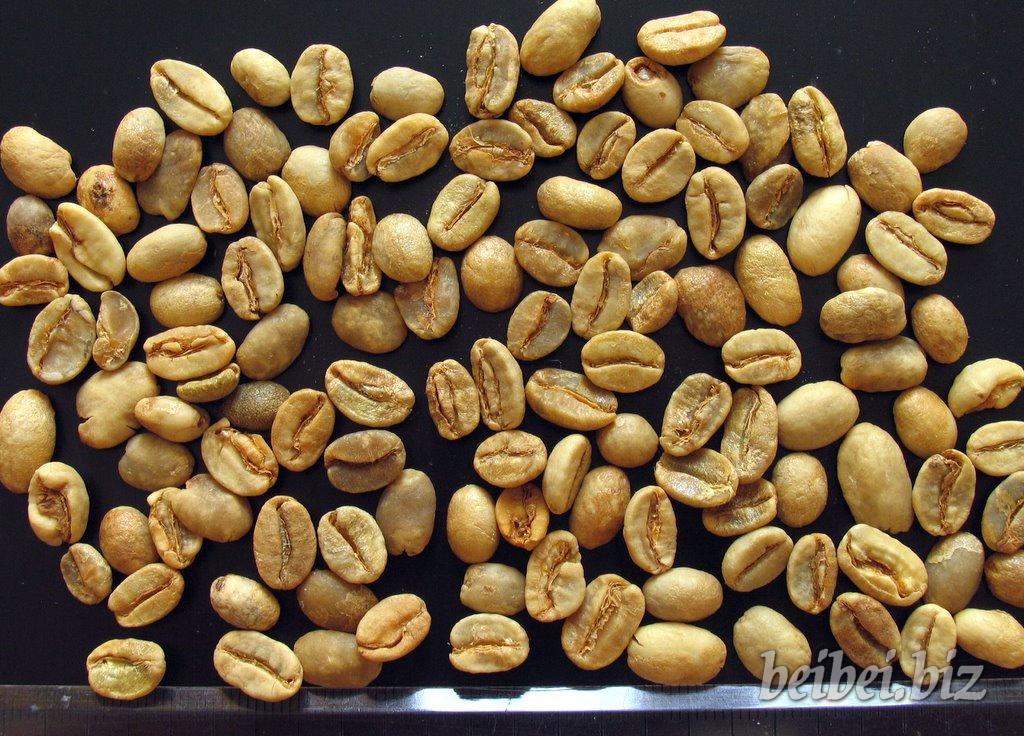
Boutique coffee beans: Ethiopian Harald mocha coffee beans (Ethiopian Harar mocha
Ethiopian Harald mocha beans (Ethiopian Harar mocha) lightly roasted Harald coffee beans, brewed in a siphon coffee pot, really have a hint of citrus aroma! This Harald harar raw coffee bean looks like grade 5, irregular, long beans (longer flat beans), short flat beans, round beans, cracked beans, mutated beans, etc.

Taste Ethiopian coffee
It is said that the word coffee in English also comes from the place name "Kaffa" in Ethiopia.

Boutique coffee San Marco is the hottest of the eight coffee producing areas in Guatemala.
San Marco volcano San Marco has the hottest climate of the eight major coffee producing regions in Guatemala, with a maximum rainfall of 200inches (5000 mm). The rainy season is earlier than in other areas, and coffee trees bloom earlier. Like other remote areas of Guatemala, volcanic San Marco coffee is grown and processed by small farmers. Due to the frequent rainfall in the rainy season, most coffees are dried in the sun before using Guar
Boutique coffee common sense taste Ethiopian coffee
Ethiopia in East Africa means the land inhabited by people tanned by the sun in ancient Greek. Ethiopia's unique cultural tradition, spectacular scenery, pleasant climate, rich animal and plant resources, important places of interest, hospitality and friendly people make it one of the major tourist destinations in Africa. The name Coffee comes from kaffa in Ethiopia, you know.

Boutique Coffee basic knowledge Coffee originated in Ethiopia
Ethiopia in East Africa means the land inhabited by people tanned by the sun in ancient Greek. Ethiopia's unique cultural tradition, spectacular scenery, pleasant climate, rich animal and plant resources, important places of interest, hospitality and friendly people make it one of the major tourist destinations in Africa. The name Coffee comes from kaffa in Ethiopia, you know.

Coffee beans basic common sense taste Ethiopian coffee
Ethiopia in East Africa means the land inhabited by people tanned by the sun in ancient Greek. Ethiopia's unique cultural tradition, spectacular scenery, pleasant climate, rich animal and plant resources, important places of interest, hospitality and friendly people make it one of the major tourist destinations in Africa. The name Coffee comes from kaffa in Ethiopia, you know.

Where does coffee come from? coffee originated in Ethiopia.
Ethiopia in East Africa means the land inhabited by people tanned by the sun in ancient Greek. Ethiopia's unique cultural tradition, spectacular scenery, pleasant climate, rich animal and plant resources, important places of interest, hospitality and friendly people make it one of the major tourist destinations in Africa. The name Coffee comes from kaffa in Ethiopia, you know.

The origin of coffee beans Coffee originated in Ethiopia
Ethiopia in East Africa means the land inhabited by people tanned by the sun in ancient Greek. Ethiopia's unique cultural tradition, spectacular scenery, pleasant climate, rich animal and plant resources, important places of interest, hospitality and friendly people make it one of the major tourist destinations in Africa. The name Coffee comes from kaffa in Ethiopia, you know.

The common sense of coffee culture Coffee originated in Ethiopia
Ethiopia in East Africa means the land inhabited by people tanned by the sun in ancient Greek. Ethiopia's unique cultural tradition, spectacular scenery, pleasant climate, rich animal and plant resources, important places of interest, hospitality and friendly people make it one of the major tourist destinations in Africa. The name Coffee comes from kaffa in Ethiopia, you know.

World boutique coffee farm beans; Harald mocha (part 1) in Ethiopia has a delicate and rich taste
[product name]: Ethiopia Harald Mocha (Ethiopia Harar Mokha) [quality rating]: DP Grade 4 [baking]: recommended moderate baking (Medium Roast or City Roast) [grade]: excellent [granule]: ★ full [acidity]: ★★★★ slightly sour, dark chocolate aftertaste [balance]: ★★★★ is very stable

Is Harald mocha coffee good in Ethiopia? information on Harald coffee producing area
Professional coffee knowledge exchange more coffee bean information please follow the coffee workshop (Wechat official account cafe_style) Ethiopia is the origin of coffee. Once upon a time, there was a town in southern Ethiopia called Kafa, where there were some red fruits. The shepherd found that the sheep was so excited after eating the fruit that they picked it and tasted it, so the fruit was pawned.

A brief introduction to the History and Culture of the Origin and Development of Coffee beans in Harald Moka Manor in Ethiopia
Ethiopia has unique natural conditions suitable for growing all imaginable varieties of coffee. As a highland crop, Ethiopian coffee beans are mainly grown in areas between 1, 100 and 2300 meters above sea level, roughly distributed in southern Ethiopia. Deep soil, well drained soil, weakly acidic soil, laterite and soil are soft and contain

Introduction to the flavor of Guatemala Antigua coffee beans and Guatemalan coffee manor
Guatemala is located in the tropics, the northern and eastern coastal plains have a tropical rain forest climate, the southern mountains have a subtropical climate, the year is divided into two dry and wet seasons, with the wet season from May to October and the dry season from November to April of the following year. The central plateau is also the cultural center of Guatemala, where temperatures are mild all year round at an altitude of 1300 to 1800 meters, with daily temperatures between 18 and 28 ℃, and higher in January

Introduction to the Flavor and Taste Manor production area of Coffee growing area in Guatemala
Guatemala is located in the tropics, the northern and eastern coastal plains have a tropical rain forest climate, the southern mountains have a subtropical climate, the year is divided into two dry and wet seasons, with the wet season from May to October and the dry season from November to April of the following year. The central plateau is also the cultural center of Guatemala, where temperatures are mild all year round at an altitude of 1300 to 1800 meters, with daily temperatures between 18 and 28 ℃, and higher in January

Coffee from the Republic of Guatemala was really introduced into Guatemala in 1750.
The Republic of Guatemala (Spanish: Repblica de Guatemala), translated by Taiwan as Guatemala, is a country in Central America, located in the south of the North American continent. It borders the Pacific Ocean to the west, the Caribbean Sea to the east, Mexico to the north, Belize to the northeast, and Honduras and El Salvador to the southeast. Guatemala produces about 3.5 million bags of coffee every year.

Introduction to the characteristics of Coffee Bean Flavor Manor in Rwanda
Malaba Coffee grows in southern Rwanda, about 12 kilometers (7 miles) from the city of Butare and 150 kilometers (93 miles) from the capital, Gejali. The plan began in the Malaba area of Butare province, but was taken over by a local government organization in 2006, which is now part of the Huye district of the southern province. Due to its proximity to the East African Rift Valley and the Neuenway Forest Mountains, the terrain
The production of Ethiopian coffee, the introduction of Ethiopian coffee
Following Kaiping (Wechat official account vdailycom) found that Beautiful Cafe opened a small shop of its own. There are more than 140 varieties of coffee in Ethiopia in East Africa, which means the land inhabited by sun-tanned people in ancient Greek. Ethiopia's unique cultural tradition, spectacular scenery, pleasant climate, rich animal and plant resources, and important places of interest
About individual Coffee
Most friends do not like plain coffee, or black coffee, and find it too bitter to taste. They are used to drinking it after adding sugar or milk or other seasonings. In contrast, most friends are very enthusiastic about fancy coffee and are easily attracted by its beautiful appearance. Espresso is usually used to make fancy coffee, the most direct reason